



SYR Field Hockey
Stay up to date with the latest announcements, scores, and stories.
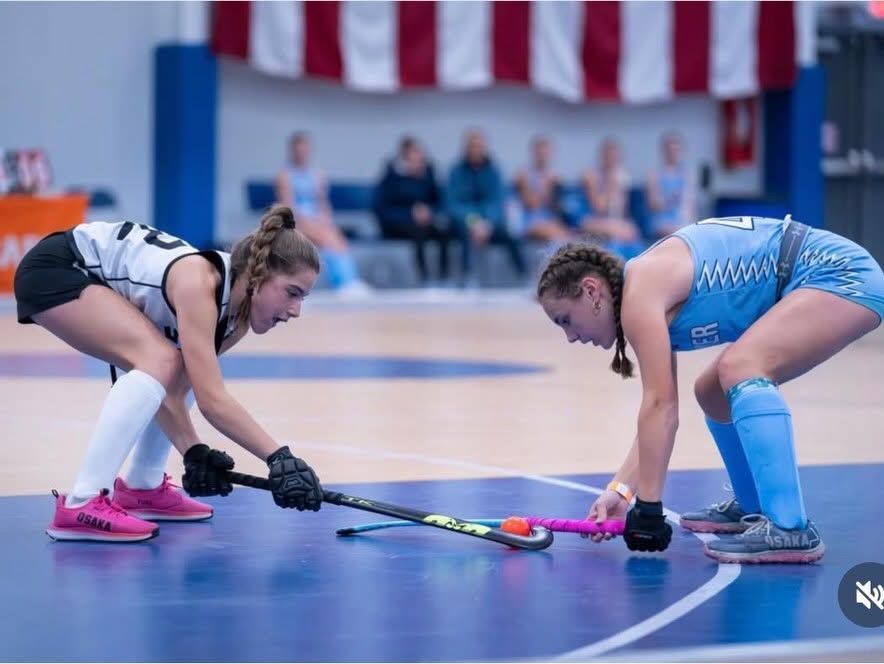
Indoor field hockey is a high-speed version of the sport played on hard courts with sideboards. It focuses on technical precision, rapid-fire passing, and tactical awareness. By playing in tight spaces, athletes significantly improve their stick handling and reaction times, which translates directly to success on the outdoor field.
What is indoor field hockey?
Unlike the traditional game played on grass or turf, indoor field hockey is a specialized version of the sport designed for hard, flat surfaces like gymnasium floors. The most striking difference is the use of sideboards—long wooden or plastic boundaries that keep the ball in play and allow for bank passes. The court is smaller, the goals are slightly different, and the rules are modified to ensure safety and speed. For instance, lifting the ball is prohibited unless it is a shot on goal.
At SYR Field Hockey , we view the indoor season as a vital part of an athlete's development. It isn’t just a way to stay active during the cold New York winters; it is a laboratory for skill refinement. Because the ball moves much faster on a hard surface, players must be more alert and physically prepared to react in an instant.
The Importance of Technical Precision
One of the primary indoor field hockey benefits is the forced improvement of technical skills. On a grass field, you might get away with a slightly sloppy trap or a slow pass. Indoors, the smooth surface leaves no room for error. If your stick isn't on the ground or your grip is loose, the ball will fly past you.
Playing in a confined space requires what coaches call "tight-space mastery." You have to learn how to manipulate the stick with incredible fine motor control to navigate around defenders. This builds a level of "stick-to-ball" feel that is difficult to replicate in the outdoor game.
Key Skill Areas Enhanced:
- First Touch: Learning to cushion the ball on a fast-moving surface.
- Skills: Mastering ball manipulation to evade sticks in small areas.
- Passing Accuracy: Using the boards to create unique passing angles.
- Defensive Footwork: Staying low and keeping the stick down to prevent through-balls.
- Vision: Scanning the field constantly due to the rapid change in possession.
How does the game improve your speed?
Speed in field hockey isn't just about how fast you can sprint; it’s about how fast you can think. Indoor field hockey is often described as a "game of chess at 100 miles per hour." Because the ball never goes out of bounds on the sidelines, the play is continuous. There are no breaks for long-hits or side-ins, meaning the transition from defense to offense happens in the blink of an eye.
Athletes who participate in our indoor programs often find that their decision-making becomes instinctive. When you have three defenders closing in on a court half the size of a regular field, you don’t have time to ponder your next move. You learn to see the pass before you even receive the ball.
Is indoor field hockey good for outdoor players?
Absolutely. In fact, many of the world’s top international players credit their success to years of indoor training. The transition back to the outdoor turf in the spring feels significantly easier after a winter of indoor play. The ball feels slower, the field feels wider, and the extra time you suddenly have to make decisions feels like a luxury.
Indoor training also emphasizes the "flat stick" tackle and low-body positioning. Since you cannot lift the ball, defenders must be exceptionally disciplined with their feet and stick placement. This discipline prevents many of the common fouls seen in the outdoor game, making for a cleaner, more tactical player.
Essential Gear for the Court
If you are ready to register for the season , you’ll need to make a few adjustments to your gear bag. You cannot use your standard outdoor equipment on a gym floor.
- Indoor Stick: These are thinner and lighter than outdoor sticks, designed specifically for pushing and flicking rather than hitting.
- Indoor Shoes: Non-marking rubber-soled shoes are required to provide grip on the court without damaging the surface.
- Full-Finger Glove: Because your hand is often very low to the hard floor, a protective gloves are essential.
Conclusion: Elevate Your Game This Winter
Playing indoor field hockey is one of the most effective ways for youth athletes to transform their game. By combining high-speed play with a focus on technical perfection, it builds a foundation of skills that are invaluable for any competitive player. Whether you are looking to sharpen your stick work, improve your cardiovascular fitness, or simply enjoy a fast-paced team environment during the off-season, indoor field hockey provides the perfect platform. If you’re ready to take the next step in your athletic journey, we encourage you to check our upcoming tryouts schedule .
Core Takeaways:
- Enhanced Skillsets: Fast surfaces demand perfect ball control and a soft first touch.
- Increased IQ: Rapid transitions develop quicker decision-making and better field vision.
- Better Defense: The "no-lift" rule encourages disciplined, low-body defensive positioning.
- Winter Conditioning: It provides a high-intensity workout that maintains peak fitness during the off-season.